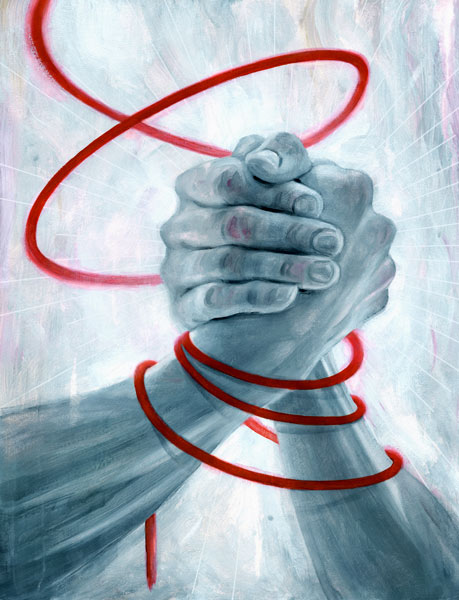
Advocating for Equal Human Rights, Social Justice, and the Democratic Empowerment of Marginalized Communities in Pakistan.
The Sustainable Livelihood Development (SLD) project by Samaritan’s Fellowship Foundation is a community-driven initiative focused on transforming lives through “Aid, not Trade.” The project empowers marginalized and underprivileged communities in Pakistan by equipping them with market-driven skills and supporting them to start small, independent businesses.
Inspired by the Parable of the Good Samaritan — “Go and do likewise” — SFF not only responds to immediate human needs but also addresses the root cause of poverty and unemployment. We believe that true freedom comes when individuals stand on their own feet, with dignity and hope.
The project trains men, women, and youth across rural and urban areas in various vocational and technical skills such as tailoring, driving, electrician work, cooking, carpentry, agriculture, and digital literacy. After completing training, graduates receive certificates, job placements, or interest-free microloans to start their own businesses.
Through this model, SFF aims to create self-reliant families, reduce poverty, and promote democratic participation. The revolving microloan fund and local trainer model ensure long-term sustainability and community ownership.
Aligned with Pakistan Vision 2025 and UN SDGs (1, 2, 8, 10, and 16), this initiative strengthens Pakistan’s peace, stability, and prosperity by empowering people to earn with dignity — ensuring no one sleeps hungry or unemployed.
Background and Rationale:
Pakistan is home to millions living below the poverty line, struggling with unemployment and limited access to skill-based education. Economic deprivation not only fuels social instability but also weakens the democratic fabric of society.
In our outreach programs across rural and semi-urban areas, Samaritan’s Fellowship teams have witnessed families trapped in the cycle of poverty for generations. While emergency aid provides short-term relief, it cannot solve the root cause — lack of livelihood opportunities and access to sustainable skills.
This project was conceived from those ground realities. SLD envisions transforming Pakistan’s vulnerable communities by unlocking their potential, enabling them to earn with dignity, and empowering them to participate meaningfully in the nation’s economic and democratic development.
Project Objectives:
- To create sustainable livelihood opportunities for marginalized individuals and families through market-driven vocational and technical skill development.
- To promote economic independence and reduce poverty by providing access to microloans for small business startups.
- To foster community-led development that strengthens local participation and decision-making — a foundation of democratic empowerment.
- To contribute to national stability and peace by building self-reliant, skilled, and confident communities across Pakistan.
Target Areas and Beneficiaries:
The project focuses on underprivileged communities across Pakistan, particularly in areas affected by poverty, unemployment, and displacement.
Beneficiaries include:
- Youth (both men and women) aged 18–40 from low-income families.
- Widows and single mothers seeking livelihood opportunities.
- Skilled but unemployed individuals lacking access to tools or startup support.
- Vulnerable groups, including religious and social minorities.
Implementation Strategy:
- Community Engagement and Application Process:
- SFF field teams visit target areas, meet local families, and assess needs through surveys and interviews.
- Applications are collected from individuals expressing interest in specific skills (e.g., tailoring, plumbing, driving, embroidery, cooking, etc.).
- Skill Mapping and Class Formation:
- Once 15–20 applications for a single skill are received from an area, a class is formed.
- Local market-based Master Trainers are hired to conduct professional-level training within the same community to ensure cultural relevance and accessibility.
- Training Programs:
- Courses range from 1 month (basic skills) to 3 months (advanced and technical skills).
- Examples:
- Short Courses: Plumber work, driving, salad/juice/soup making.
- Advanced Courses: Electrician, tailor, chef, computer operator, shoemaker, barber, embroidery, woodwork, agriculture, furniture making, seafood business, etc.
- Graduation and Certification:
- Participants undergo assessments. Successful graduates receive official certificates from SFF.
- For driving trainees, SFF helps obtain government licenses.
- Post-Training Support and Microloans:
- Graduates launching small businesses receive interest-free microloans with easy installments.
- Repaid amounts are reinvested to support new learners — creating a revolving fund for sustainable impact.
- Job Placement and Market Linkages:
- Trainees skilled in employable trades are connected to local industries, contractors, and employers through SFF’s partnership network.
Expected Outcomes and Impact:
- 1,000+ families become economically self-reliant annually.
- 70% of trained participants secure sustainable income sources within six months.
- Local employment generation in each target area through new small businesses.
- Reduced poverty and dependency on aid, promoting dignity and long-term empowerment.
- Enhanced democratic participation, as economically independent individuals become more confident, responsible, and community-oriented citizens.
- Strengthened national stability and peace, as self-reliant citizens contribute to Pakistan’s collective growth and prosperity.
Sustainability Approach:
SFF’s model ensures long-term sustainability through:
- A revolving microloan fund that supports continuous skill-building cycles.
- Community ownership, where local trainers and leaders participate in implementation.
- Market linkages that ensure trained individuals find immediate economic opportunities.
- Faith-based motivation and moral responsibility, ensuring accountability and compassion-driven change.
Alignment with National and Global Goals:
The SLD Project directly supports:
- Pakistan’s Vision 2025: Inclusive growth and human capital development.
- UN Sustainable Development Goals (SDGs):
- SDG 1: No Poverty
- SDG 2: Zero Hunger
- SDG 8: Decent Work and Economic Growth
- SDG 10: Reduced Inequalities
- SDG 16: Peace, Justice, and Strong Institutions
Conclusion:
The Sustainable Livelihood Development Project is not merely a skills program — it is a movement toward freedom, dignity, and independence. It aims to lift families out of poverty, build self-sufficient communities, and strengthen Pakistan’s social and economic fabric.
Samaritan’s Fellowship Foundation envisions a Pakistan where every individual stands tall — empowered, skilled, and hopeful. Through this initiative, we seek partnerships that believe in the same dream — a Pakistan where no one goes to bed hungry or unemployed, and where every citizen contributes to a peaceful and prosperous nation.