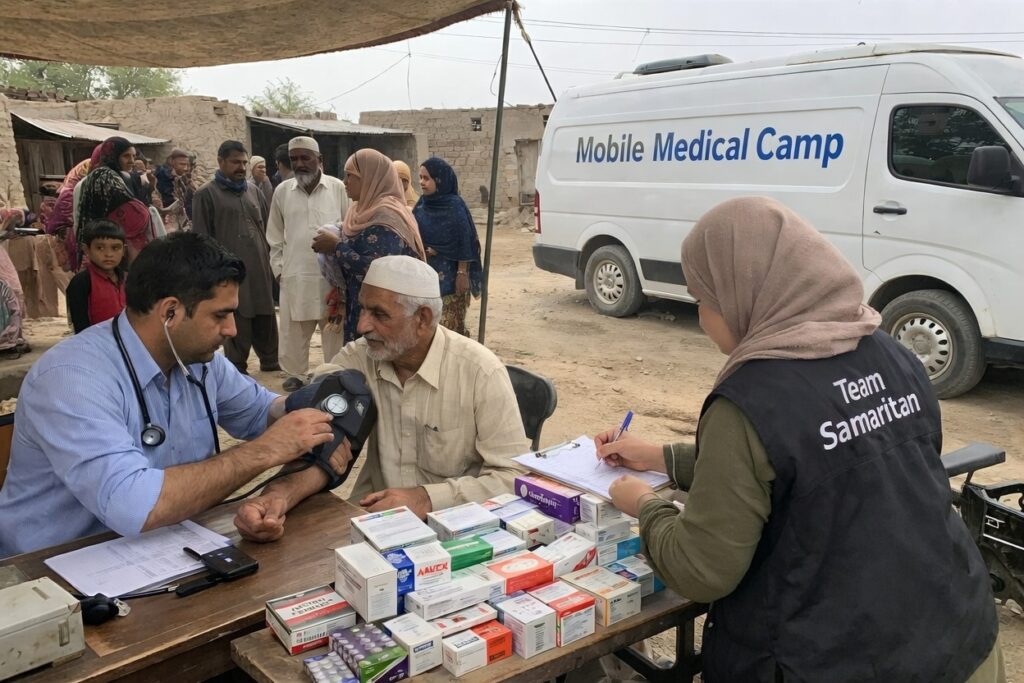
Our facilitators engage directly with communities to build trust and establish meaningful relationships at the individual level. This ensures that every intervention begins with mutual respect and understanding. By creating open channels of communication, we ensure that people feel heard, valued, and included. This foundation is critical for long-term engagement and successful outcomes. It also ensures that support reaches those who need it most through verified, human-centered connections.
We conduct detailed assessments through informal interviews, field observations, and analysis of community-level data. This helps us understand the root causes of challenges such as poverty, exclusion, and lack of access to basic services. By identifying underlying issues rather than surface problems, we design more effective interventions. This step ensures that resources are used strategically and responsibly. It also strengthens the overall quality and credibility of our work.
Community members come together to openly discuss the challenges they face in their daily lives. Through guided discussions, they collectively identify and prioritize the most urgent and impactful issues. This participatory process ensures that solutions are community-driven rather than externally imposed. It builds a sense of ownership and responsibility among participants. It also strengthens local decision-making and encourages inclusive dialogue within the community.
We prepare individuals by raising awareness about their rights, potential, and role in creating change. This step focuses on shifting mindsets from dependency to empowerment. Participants begin to see themselves as active contributors rather than passive recipients of aid. It builds confidence, strengthens identity, and promotes a sense of purpose. This foundation is essential for meaningful and lasting transformation.
Communities collaborate to design practical and achievable solutions to their prioritized challenges. Individual perspectives are combined into collective strategies and clearly defined action plans. This structured planning process ensures clarity, accountability, and alignment of goals. It also strengthens collaboration and unity among community members. As a result, interventions become more organized, focused, and effective.
Participants engage in simulations and group exercises to prepare for real-life challenges they may face. These activities help them practice communication, negotiation, and problem-solving skills in a safe environment. It builds confidence and reduces fear of unfamiliar situations. This step ensures that individuals are not only willing but also capable of taking action. It equips them with practical tools to navigate complex social and institutional systems.
With preparation complete, communities take coordinated action to address their challenges. They engage with stakeholders, access available resources, and implement their plans. This step transforms ideas into visible and measurable outcomes. It demonstrates the power of collective effort and organized action. It also strengthens the community’s ability to advocate for itself and secure long-term solutions.
After implementation, communities come together to assess the results of their efforts. They identify what worked well and where improvements are needed. This process promotes transparency, accountability, and continuous learning. It ensures that future interventions are more effective and efficient. It also provides clear evidence of impact and responsible use of resources.
Community members reflect on the changes in their lives and the progress they have achieved together. They share lessons learned and celebrate their collective success. More importantly, they carry forward the knowledge, skills, and confidence gained through the process. This prepares them to face future challenges independently and continue growing. The process evolves into a continuous cycle of empowerment, action, and sustainable development.
Our facilitators engage directly with communities to build trust and establish meaningful relationships at the individual level. This ensures that every intervention begins with mutual respect and understanding. By creating open channels of communication, we ensure that people feel heard, valued, and included. This foundation is critical for long-term engagement and successful outcomes. It also ensures that support reaches those who need it most through verified, human-centered connections.
We conduct detailed assessments through informal interviews, field observations, and analysis of community-level data. This helps us understand the root causes of challenges such as poverty, exclusion, and lack of access to basic services. By identifying underlying issues rather than surface problems, we design more effective interventions. This step ensures that resources are used strategically and responsibly. It also strengthens the overall quality and credibility of our work.
Community members come together to openly discuss the challenges they face in their daily lives. Through guided discussions, they collectively identify and prioritize the most urgent and impactful issues. This participatory process ensures that solutions are community-driven rather than externally imposed. It builds a sense of ownership and responsibility among participants. It also strengthens local decision-making and encourages inclusive dialogue within the community.
We prepare individuals by raising awareness about their rights, potential, and role in creating change. This step focuses on shifting mindsets from dependency to empowerment. Participants begin to see themselves as active contributors rather than passive recipients of aid. It builds confidence, strengthens identity, and promotes a sense of purpose. This foundation is essential for meaningful and lasting transformation.
Communities collaborate to design practical and achievable solutions to their prioritized challenges. Individual perspectives are combined into collective strategies and clearly defined action plans. This structured planning process ensures clarity, accountability, and alignment of goals. It also strengthens collaboration and unity among community members. As a result, interventions become more organized, focused, and effective.
Participants engage in simulations and group exercises to prepare for real-life challenges they may face. These activities help them practice communication, negotiation, and problem-solving skills in a safe environment. It builds confidence and reduces fear of unfamiliar situations. This step ensures that individuals are not only willing but also capable of taking action. It equips them with practical tools to navigate complex social and institutional systems.
With preparation complete, communities take coordinated action to address their challenges. They engage with stakeholders, access available resources, and implement their plans. This step transforms ideas into visible and measurable outcomes. It demonstrates the power of collective effort and organized action. It also strengthens the community’s ability to advocate for itself and secure long-term solutions.
After implementation, communities come together to assess the results of their efforts. They identify what worked well and where improvements are needed. This process promotes transparency, accountability, and continuous learning. It ensures that future interventions are more effective and efficient. It also provides clear evidence of impact and responsible use of resources.
Community members reflect on the changes in their lives and the progress they have achieved together. They share lessons learned and celebrate their collective success. More importantly, they carry forward the knowledge, skills, and confidence gained through the process. This prepares them to face future challenges independently and continue growing. The process evolves into a continuous cycle of empowerment, action, and sustainable development.
Our facilitators engage directly with communities to build trust and establish meaningful relationships at the individual level. This ensures that every intervention begins with mutual respect and understanding. By creating open channels of communication, we ensure that people feel heard, valued, and included. This foundation is critical for long-term engagement and successful outcomes. It also ensures that support reaches those who need it most through verified, human-centered connections.
We conduct detailed assessments through informal interviews, field observations, and analysis of community-level data. This helps us understand the root causes of challenges such as poverty, exclusion, and lack of access to basic services. By identifying underlying issues rather than surface problems, we design more effective interventions. This step ensures that resources are used strategically and responsibly. It also strengthens the overall quality and credibility of our work.
Community members come together to openly discuss the challenges they face in their daily lives. Through guided discussions, they collectively identify and prioritize the most urgent and impactful issues. This participatory process ensures that solutions are community-driven rather than externally imposed. It builds a sense of ownership and responsibility among participants. It also strengthens local decision-making and encourages inclusive dialogue within the community.
We prepare individuals by raising awareness about their rights, potential, and role in creating change. This step focuses on shifting mindsets from dependency to empowerment. Participants begin to see themselves as active contributors rather than passive recipients of aid. It builds confidence, strengthens identity, and promotes a sense of purpose. This foundation is essential for meaningful and lasting transformation.
Communities collaborate to design practical and achievable solutions to their prioritized challenges. Individual perspectives are combined into collective strategies and clearly defined action plans. This structured planning process ensures clarity, accountability, and alignment of goals. It also strengthens collaboration and unity among community members. As a result, interventions become more organized, focused, and effective.
Participants engage in simulations and group exercises to prepare for real-life challenges they may face. These activities help them practice communication, negotiation, and problem-solving skills in a safe environment. It builds confidence and reduces fear of unfamiliar situations. This step ensures that individuals are not only willing but also capable of taking action. It equips them with practical tools to navigate complex social and institutional systems.
With preparation complete, communities take coordinated action to address their challenges. They engage with stakeholders, access available resources, and implement their plans. This step transforms ideas into visible and measurable outcomes. It demonstrates the power of collective effort and organized action. It also strengthens the community’s ability to advocate for itself and secure long-term solutions.
After implementation, communities come together to assess the results of their efforts. They identify what worked well and where improvements are needed. This process promotes transparency, accountability, and continuous learning. It ensures that future interventions are more effective and efficient. It also provides clear evidence of impact and responsible use of resources.
Community members reflect on the changes in their lives and the progress they have achieved together. They share lessons learned and celebrate their collective success. More importantly, they carry forward the knowledge, skills, and confidence gained through the process. This prepares them to face future challenges independently and continue growing. The process evolves into a continuous cycle of empowerment, action, and sustainable development.