Samaritan’s Fellowship is dedicated to protecting the rights and dignity of Pakistan’s marginalized communities.
Our mission is Peace, Freedom, Justice, Equality, and Empowerment for all.
We speak for the freedom of people from social differences, injustice, modern slavery, extremism, religious intolerance, persecution, and poverty.
Gulberg III. Lahore, Pakistan
+92 (324) 946 0026
info@sffp.org.pk
Kashmir Solidarity Day: Upholding Freedom, Human Rights, and Inclusive Civic Participation
February 5, 2026
Kashmir Solidarity Day: Upholding Freedom, Human Rights, and Inclusive Civic Participation
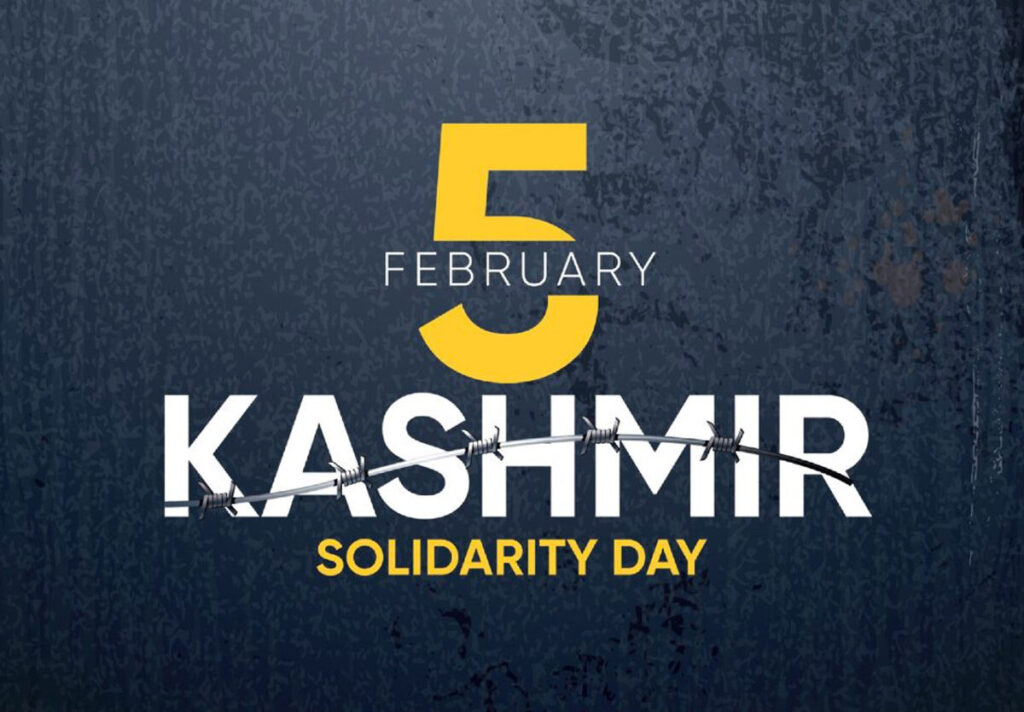
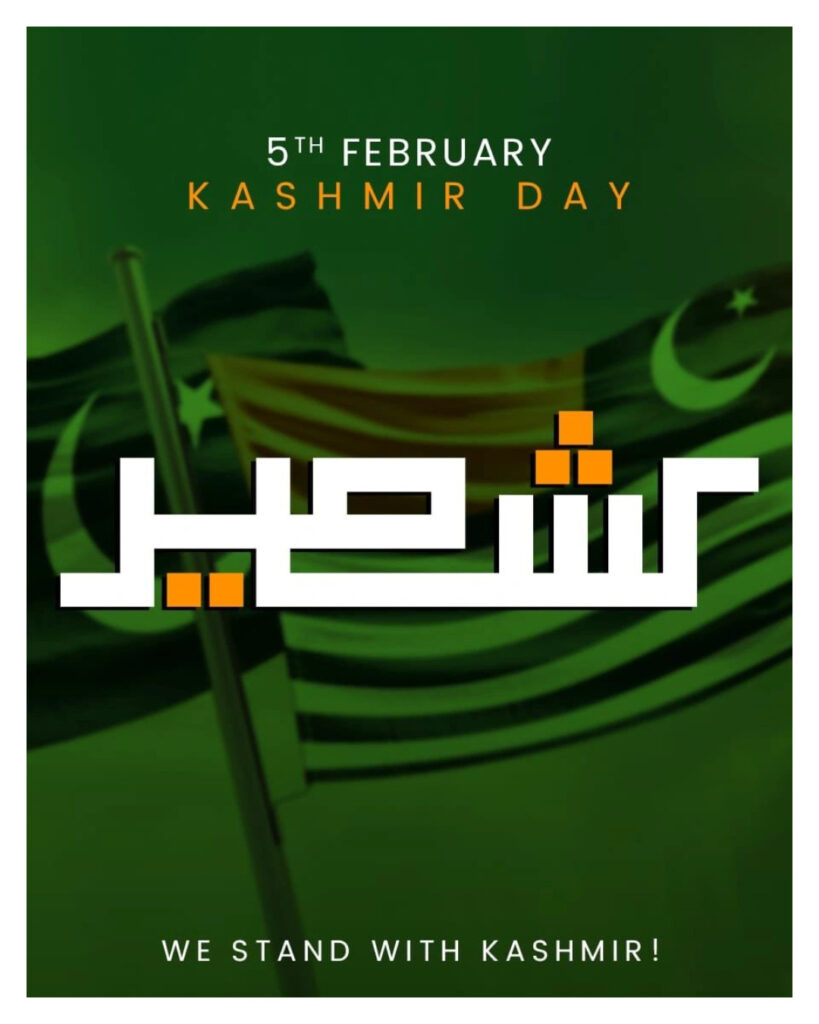
Freedom is a fundamental human right, and the pursuit of dignity, justice, and equality lies at the heart of every democratic society. Observed annually on 5 February, Kashmir Solidarity Day serves as a moment of reflection on the prolonged humanitarian and human rights challenges faced by the people of Jammu and Kashmir—particularly unarmed civilians whose lives have been shaped by conflict, loss, and uncertainty.
For decades, Kashmiri men, women, children, and elderly citizens have endured immense hardship. Families have been separated, mothers have lost their sons, and entire communities have lived under conditions that restrict their ability to live with security, dignity, and freedom. These realities underscore the urgent need to view Kashmir not only through a political lens but as a human rights and humanitarian concern that demands principled global attention.
Freedom, Human Rights, and the Democratic Ideal
At its core, the Kashmir issue raises fundamental questions about freedom, self-determination, and the protection of civilian rights. International human rights frameworks affirm that all people—especially those living in prolonged conflict situations—are entitled to safety, justice, and meaningful participation in civic life. Sustainable peace can only emerge where human dignity is respected, civic space is protected, and inclusive dialogue is encouraged.
Kashmir Solidarity Day is therefore not only about remembrance; it is about reaffirming universal values of freedom, inclusivity, and democratic participation.
Honoring the Sacrifices and National Commitment
On this day, we also pay tribute to the brave Armed Forces of Pakistan, whose sacrifices and steadfast commitment symbolize resilience, discipline, and national responsibility. Their dedication reflects a broader aspiration for peace, security, and the protection of fundamental rights in the region.
We further acknowledge the Government of Pakistan for consistently highlighting the Kashmir issue at national and international forums and for advancing diplomatic and humanitarian efforts aimed at securing justice and relief for the unarmed Kashmiri population. Advocacy rooted in law, dialogue, and international engagement remains essential to achieving a peaceful and just resolution.
Samaritan’s Fellowship Foundation: Advancing Social Justice and Inclusive Freedom
In alignment with these values, Samaritan’s Fellowship Foundation (SFFP) advances social justice, freedom, and inclusivity by protecting minority rights and empowering vulnerable communities through inclusive humanitarian and community development initiatives that strengthen civic engagement and democratic participation.
SFFP believes that lasting peace and development are only possible when historically excluded and underserved communities are enabled to raise their voices, participate equally in civic life, and access opportunities without discrimination. Through community-based programs, advocacy, and awareness initiatives, the Foundation works to translate human rights principles into meaningful, people-centered action.
Samaritan’s Fellowship Foundation is a non-profit company incorporated under Section 42 of the Companies Act, 2017 (Universal Identification No. 0097225), duly registered with the Punjab Charity Commission (No. 122026), and accredited by the Pakistan Centre for Philanthropy (PCP). All donations made to Samaritan’s Fellowship Foundation are eligible for tax exemption. National Tax Number (NTN): D959316.
A Call for Dignity, Peace, and Responsible Solidarity
Remembering Kashmir on 5 February is not an act of hostility—it is an expression of responsible solidarity, grounded in empathy, human rights, and the belief that every community deserves dignity and justice. True peace will emerge through respect for international law, inclusive civic participation, and sustained humanitarian commitment.
As civil society organizations, partners, and global citizens, our shared responsibility is to continue advocating for freedom, human rights, and inclusive development, ensuring that the voices of affected communities are heard and respected.