
About Pakistan
About Pakistan
Map & Geography
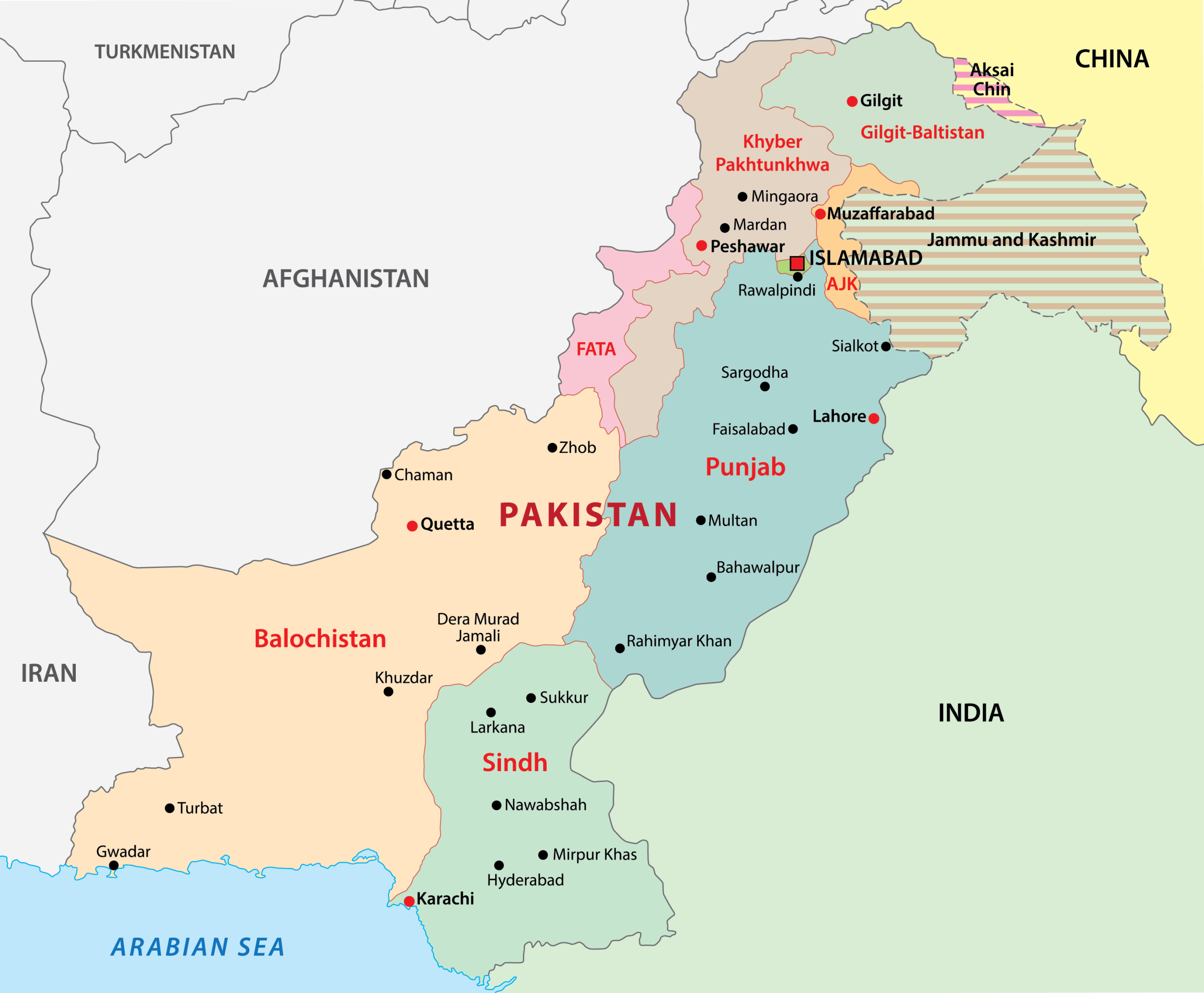
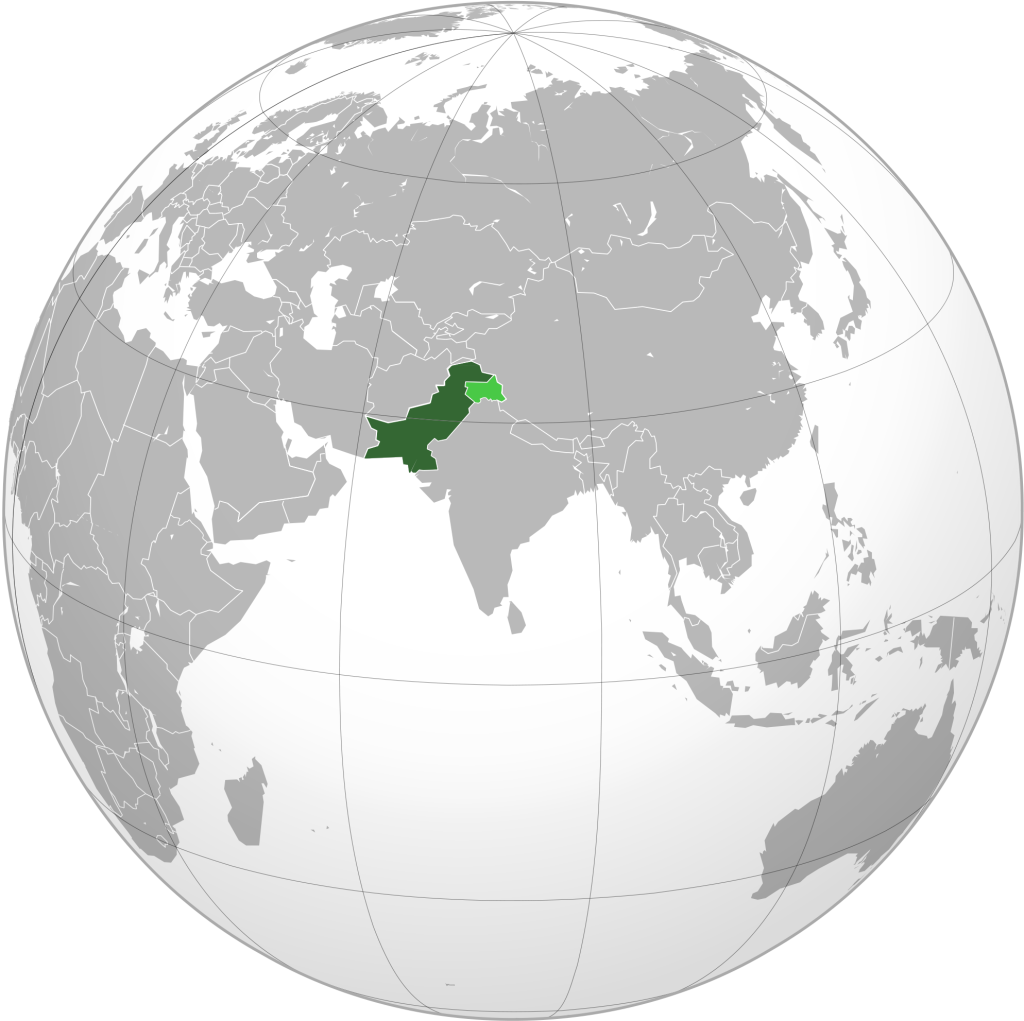
Pakistan consists of four provinces — Punjab, Sindh, Khyber Pakhtunkhwa, and Balochistan — along with the federal capital territory of Islamabad and several semi-autonomous regions, including Gilgit-Baltistan and Azad Jammu & Kashmir. The landscape is geographically diverse, ranging from the towering peaks of the Himalayas and Karakoram in the north to the vast Thar Desert and the fertile plains of the Indus Valley.
-
Area: 881,913 km²
-
Major Cities: Karachi, Lahore, Islamabad, Peshawar, Quetta
-
Rivers: Indus, Jhelum, Chenab, Ravi, Sutlej
-
Languages: Urdu (national), Punjabi, Sindhi, Pashto, Balochi, and others
Cras enim urna, interdum nec porttitor vitae, sollicitudin eu eros. Praesent eget mollis nulla, non lacinia urna. Donec sit amet neque auctor, ornare dui rutrum, condimentum justo. Duis dictum, ex accumsan eleifend eleifend, ex justo aliquam nunc, in ultrices ante quam eget massa. Sed scelerisque, odio eu tempor pulvinar, magna tortor finibus lorem, ut mattis tellus nunc ut quam. Curabitur quis ornare leo. Suspendisse bibendum nibh non turpis vestibulum pellentesque.
- Sed ut perspiciatis unde omnis iste natus error
- Nemo enim ipsam voluptatem quia voluptas sit aspernatur
- Accusamus et iusto odio dignissimos ducimus qui blanditiis
- Nam libero tempore, cum soluta nobis est eligendi optio cumque
Cras enim urna, interdum nec porttitor vitae, sollicitudin eu eros. Praesent eget mollis nulla, non lacinia urna. Donec sit amet neque auctor, ornare dui rutrum, condimentum justo. Duis dictum, ex accumsan eleifend eleifend, ex justo aliquam nunc, in ultrices ante quam eget massa. Sed scelerisque, odio eu tempor pulvinar, magna tortor finibus lorem.
Have any Questions? Call us Today!
+92 (324) 9460026
Minorities in Pakistan: Challenges and the Path Forward
Pakistan is a country shaped by its diversity — home to various religious, ethnic, and linguistic communities that together form its rich cultural mosaic. Religious minorities such as Christians, Hindus, Sikhs, Ahmadis, Zoroastrians, Baháʼís, and Kalasha, as well as ethnic groups like the Hazara, Baloch, Brahui, and others, have played a vital role in the country’s history and development.
However, many of these communities continue to face deep-rooted challenges that hinder their ability to fully participate in society as equal citizens.
Key Challenges Faced by Minorities
🛑 Discrimination and Legal Vulnerability
Religious minorities often face:
-
Misuse of blasphemy laws
-
Unequal treatment in courts
-
Inadequate protection under law
-
Barriers to accessing justice
🛑 Violence and Insecurity
Places of worship have been attacked. Entire communities have been displaced. From mob violence to forced conversions, the threat to minority lives and safety remains real and persistent.
🛑 Social and Economic Marginalization
-
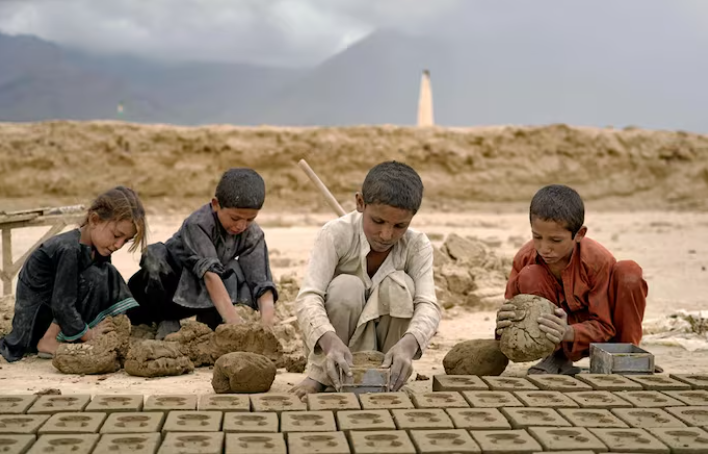
Many minority families are locked in cycles of generational poverty
-
Minorities are often restricted to sanitation work or other low-income sectors
-
Discrimination in education leads to high dropout rates and limited career pathways
🛑 Lack of Political Representation
While minorities are guaranteed reserved seats in assemblies, their real influence in policy-making remains weak. Their voices are often symbolic rather than impactful.
🛑 Cultural Erasure and Intolerance
Minority heritage sites, languages, and narratives are rarely included in national discourse. Intolerance in public attitudes and textbooks perpetuates exclusion.
Resilience and Contributions
Despite the challenges, minority communities across Pakistan continue to show incredible resilience. They contribute actively in:
-
Healthcare and education
-
Art, music, and literature
-
Peacebuilding and interfaith dialogue
-
Civil society and human rights advocacy
These are not passive communities; they are vibrant, committed, and deeply rooted in Pakistan’s identity.
Our Response: Samaritan’s Fellowship Foundation
At SFF, we are committed to empowering marginalized communities — especially religious and ethnic minorities — through rights-based and inclusive development.
We work to:
-
Support victims of discrimination and violence
-
Promote interfaith harmony through community dialogue
-
Empower youth and women from minority backgrounds
-
Advocate for policy reforms that ensure equal rights and representation
-
Document and amplify voices that are often silenced
We believe a stronger Pakistan is only possible when every citizen — regardless of faith — is free, safe, and empowered to thrive.
Being a Minority in Pakistan: A Daily Fight for Dignity
Imagine waking up every day not knowing whether your identity could cost you your life. In Pakistan, being part of a religious minority often means being treated as less than a citizen — less safe, less free, and far too often, less human in the eyes of law, society, and even neighbors. This is the painful reality of millions of Pakistanis.
Minorities by the Numbers
-
Over 8 million Christians live in Pakistan — many working in sanitation or domestic labor
-
4.5 million Hindus, mostly in Sindh, face economic exclusion and forced conversions
-
20+ places of worship for minorities were attacked or desecrated between 2021–2024
-
In 2023 alone, blasphemy accusations led to mob attacks in Jaranwala, Sargodha, and Bahawalpur
-
300+ minority girls, mostly Christians and Hindus, were abducted and forcibly converted between 2022–2024
-
Less than 2% of Pakistan’s national assembly represents minorities — and most are token voices
What Does It Mean to Be a Minority in Pakistan?
It Means You Can Be Accused, Attacked, and Killed — Without Evidence
Minorities are constantly at risk of false blasphemy accusations — often over personal disputes. A single rumor can destroy entire communities. In 2023, Jaranwala’s Christian neighborhoods were burned to the ground over unverified accusations.
It Means Your Daughter Can Be Taken — and the Law May Stay Silent
Young girls — sometimes just 12 or 13 years old — are abducted, forcibly converted, and married to much older men. Families are left helpless while the legal system fails to act. Imagine the pain of watching your daughter disappear, and no one listens.
It Means Being Told You’re Not “Pakistani Enough”
Minority children often grow up reading textbooks that ignore their communities, call their faith “wrong,” or glorify those who persecuted them. In some classrooms, they’re pressured to convert or silently endure discrimination.
It Means Dying a Silent Death in the Name of Service
Christians make up over 80% of Pakistan’s sanitation workforce — often cleaning sewers without safety gear, dying in the line of duty, and never recognized as national heroes. Who values the life of a janitor when they’re poor, Christian, and invisible?
And Yet… They Hope. They Serve. They Build.
Despite the injustice, Pakistan’s minorities:
-
Run schools, hospitals, and charities
-
Serve as nurses, teachers, lawyers, and artists
-
Fight for peace, even after losing everything
-
Dream of a Pakistan that belongs to them too
This is not just about rights. It’s about dignity, belonging, and basic humanity.
Samaritan’s Fellowship: Standing with the Persecuted
At SFF, we don’t just speak for the marginalized — we stand beside them.
We:
-
Document human rights abuses against minorities
-
Provide legal aid, psychosocial support, and emergency relief
-
Help survivors rebuild their lives
-
Advocate for policy reforms, curriculum changes, and legal protection
-
Raise our voice nationally and internationally — so no one suffers in silence again
“We are not saviors. We are partners in the struggle for dignity.” — Team SFF
Why Should YOU Care?
Because silence makes you complicit.
Because justice delayed is justice denied.
Because if one group’s rights can be taken away — everyone’s rights are at risk.
How You Can Get Involved
Donate — support our frontline work in minority communities
Share — amplify stories that matter
Volunteer — offer your skills, time, or network
Pray, protest, post, participate — your voice can save a life
They are not asking for favors. They’re asking for the freedom to live. If that moves you — join us.
[Support Our Work]
[Read Their Stories]
[Volunteer with SFF]
About Pakistan
Overview
Pakistan is a diverse and vibrant country located in South Asia, bordered by India, China, Afghanistan, and Iran, with a coastline along the Arabian Sea. With a population exceeding 240 million, it is the world’s fifth-largest country in terms of population. Pakistan is known for its rich cultural heritage, deep-rooted traditions, and dynamic youth population. Despite facing significant challenges, the nation continues to strive for progress, development, and social cohesion.
Pakistan is a young country with deep civilizational roots that go back thousands of years — from the Indus Valley Civilization to the Gandhara Buddhist heritage, and from Islamic empires to British colonial rule. Today, Pakistan is a federal parliamentary republic with a complex socio-political landscape shaped by history, religion, ethnic diversity, and international relations. The count
Pakistan plays a strategic role in South Asian geopolitics and is an active member of the United Nations, OIC, SAARC, and other international forums.
Pakistan emerged as an independent nation on August 14, 1947, following the partition of British India. Founded as a homeland for Muslims, the country was envisioned by its founder, Quaid-e-Azam Muhammad Ali Jinnah, as a democratic state rooted in justice, equality, and religious freedom. Over the decades, Pakistan has undergone numerous political transitions, military regimes, constitutional reforms, and faced significant geopolitical challenges.
Key historical milestones:
-
1947: Independence from British India
-
1956: Became the Islamic Republic of Pakistan
-
1971: Separation of East Pakistan (now Bangladesh)
-
2008 onwards: Democratic transition and civil society revival
Geography of Pakistan
Pakistan consists of four provinces — Punjab, Sindh, Khyber Pakhtunkhwa, and Balochistan — along with the federal capital territory of Islamabad and several semi-autonomous regions, including Gilgit-Baltistan and Azad Jammu & Kashmir. The landscape is geographically diverse, ranging from the towering peaks of the Himalayas and Karakoram in the north to the vast Thar Desert and the fertile plains of the Indus Valley.
-
Area: 881,913 km²
-
Major Cities: Karachi, Lahore, Islamabad, Peshawar, Quetta
-
Rivers: Indus, Jhelum, Chenab, Ravi, Sutlej
-
Languages: Urdu (national), Punjabi, Sindhi, Pashto, Balochi, and others
Minorities in Pakistan
Pakistan is home to multiple religious, ethnic, and linguistic minorities, including:
-
Religious minorities: Christians, Hindus, Sikhs, Ahmadis, Zoroastrians, Baháʼís, and others
-
Ethnic minorities: Baloch, Hazaras, Kalasha, and others
-
Linguistic minorities: Brahui, Shina, Wakhi, and many more
While the Constitution of Pakistan guarantees religious freedom, minorities often face discrimination, marginalization, and social exclusion. Organizations like Samaritan’s Fellowship Foundation are working tirelessly to promote pluralism, dignity, and equal rights for all citizens.
Issues
Despite its potential, Pakistan continues to grapple with several structural and social challenges:
-
Poverty and economic inequality
-
Gender-based violence and discrimination
-
Religious intolerance and extremism
-
Minority rights violations
-
Educational and healthcare disparities
-
Political instability and governance issues
These complex issues require multi-layered efforts from civil society, the government, and international stakeholders to build a just and inclusive society.
Opportunities
Pakistan also presents a wide range of opportunities for growth and transformation:
-
Young and tech-savvy population (over 60% under the age of 30)
-
Growing civil society and community-based initiatives
-
Cultural richness and artistic expression
-
Potential for interfaith harmony and social innovation
-
Strategic location for trade and regional cooperation
Samaritan’s Fellowship Foundation envisions a Pakistan where every individual, regardless of faith or background, has the opportunity to thrive, contribute, and live with dignity.
Ready to Partner for Change?
Join us in our mission to build a more inclusive and just Pakistan.